In the manufacture of electrical transformers, the choice of conductive material – copper or aluminum – is a strategic decision. This choice is not limited to a question of cost. It determines the electrical performance of the device, its dimensions, its durability, as well as its economic efficiency over time. As a manufacturer of transformers, Le Cosinus supports you in the evaluation of these criteria to offer a solution adapted to your technical and financial needs.
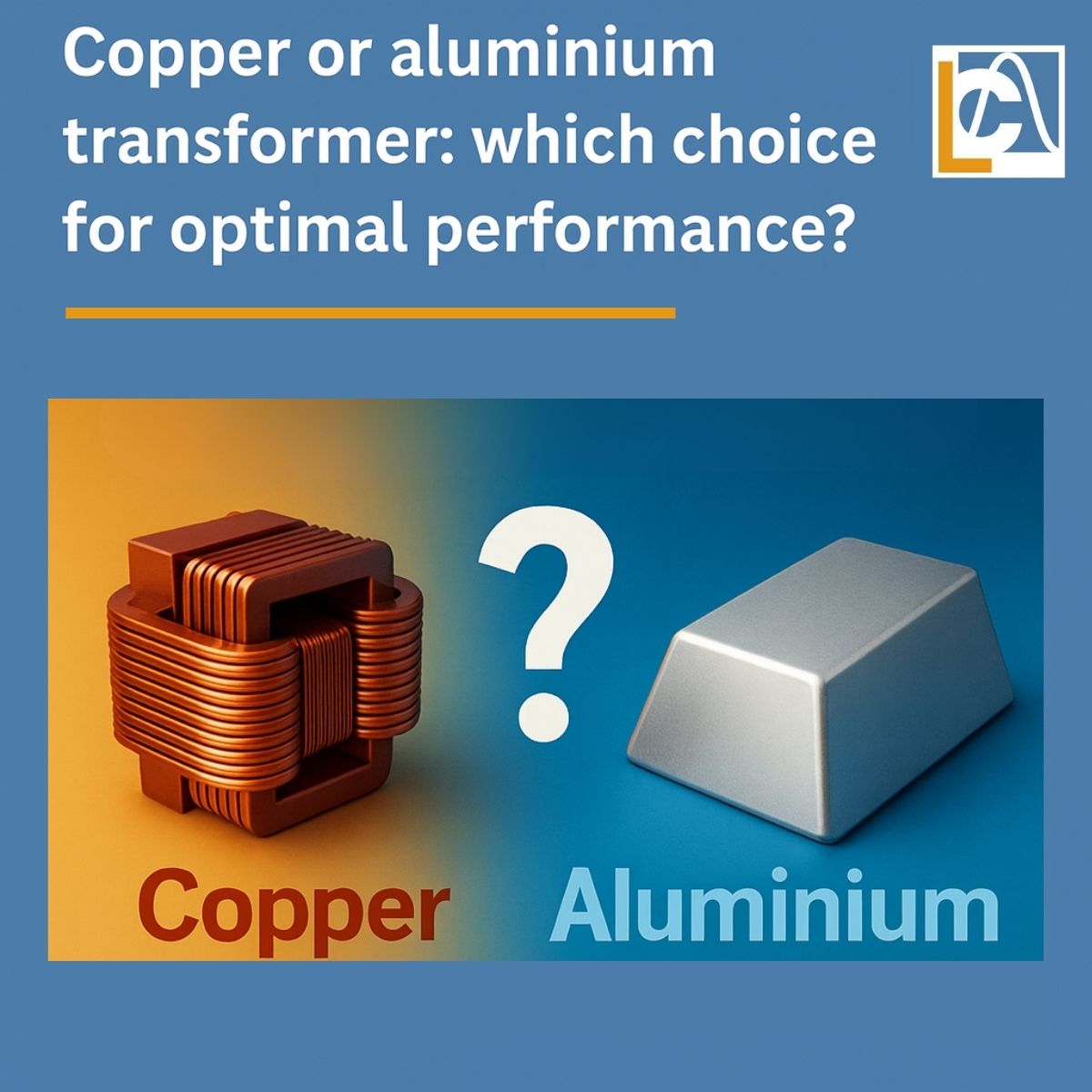
Copper has historically been the reference material in the field of transformers. It offers a higher electrical conductivity than aluminum, which translates into higher energy efficiency. This improved conductivity helps to limit electrical losses in the form of heat, improve the overall efficiency of the transformer, and reduce energy consumption over the life of the equipment. Another major advantage of copper is its density. For equivalent performance, a copper winding will take up less space than an aluminum winding, allowing for more compact transformers to be designed – a valuable asset in space-constrained installations.
However, copper also has a higher purchase cost, mainly due to its value in the commodity markets. This cost can be a barrier for some projects, especially those with significant budget constraints. However, it should be noted that this initial additional cost can be offset in the long term by the energy savings achieved. It is in line with this logic that the European Ecodesign Directive is part of, which encourages the use of energy-efficient solutions to reduce the environmental footprint of electrical equipment.
Aluminum, on the other hand, is an alternative that seduces by its more accessible price. Its lower purchase cost makes it an attractive choice for projects where the initial investment must be controlled. It is also lighter than copper, which can make it easier to transport and handle certain equipment. Nevertheless, aluminium has technical limitations that should be taken into account. Its electrical conductivity is lower than that of copper, which causes more losses due to the Joule effect. To compensate for this weakness, windings need to be larger, making aluminum transformers more bulky. This can be a problem in some configurations where space is limited.
In addition, aluminum is a more delicate material to connect. It is susceptible to oxidation, which can affect the quality and stability of electrical connections if not properly installed. Specific precautions must therefore be taken at the time of assembly to ensure the reliability and safety of the transformer over time. This implies a technical mastery that Le Cosinus integrates into its production chain.
Le choix entre cuivre et aluminium dépend principalement des priorités du client et du contexte d’utilisation
Le cuivre reste la solution à privilégier pour les projets qui recherchent un haut niveau de performance, une meilleure efficacité énergétique et une compacité optimale. L’aluminium, de son côté, représente une alternative viable pour des installations à budget contraint, à condition d’anticiper les implications techniques liées à son utilisation. Chez Le Cosinus, nous ne proposons pas de solution standardisée : chaque transformateur est conçu sur mesure, selon une analyse complète des contraintes du projet.
Notre expertise technique, notre connaissance des normes internationales (IEC 60076, IEC 61558, UL/CSA) et notre engagement envers la performance énergétique nous permettent de vous conseiller objectivement et de vous orienter vers le matériau le plus adapté. Que vous privilégiez un faible coût d’acquisition ou une rentabilité optimisée sur la durée, nous vous aidons à faire le bon choix.
Une machine éloignée du tableau électrique, ou qui ne fonctionne pas avec la tension disponible sur le site : dans ces situations, plusieurs solutions existent, et l’autotransformateur en fait partie.…
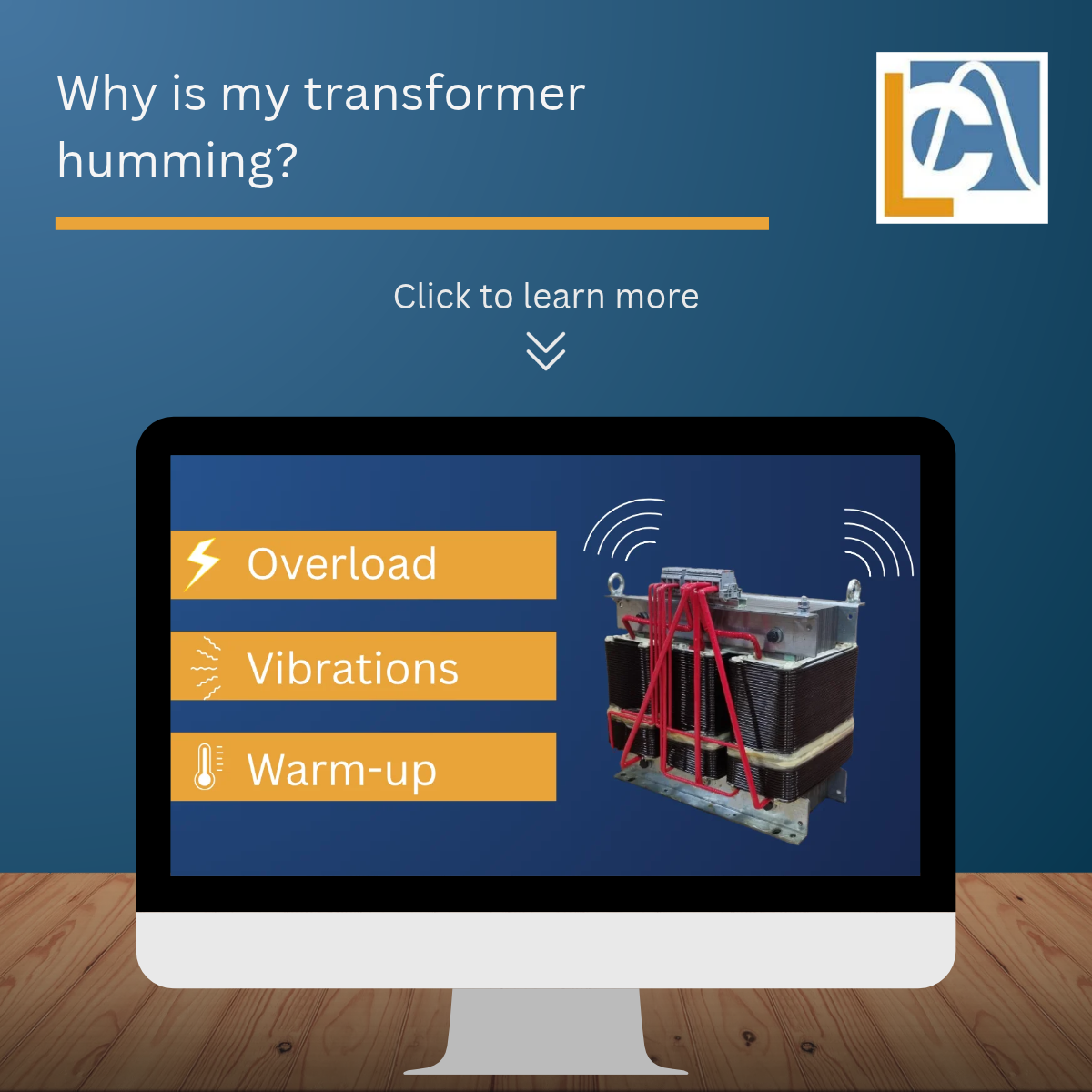
A transformer that hums isn't necessarily defective. An electrical transformer naturally produces a slight hum when it's operating. The laminations in the magnetic circuit expand and contract very slightly…
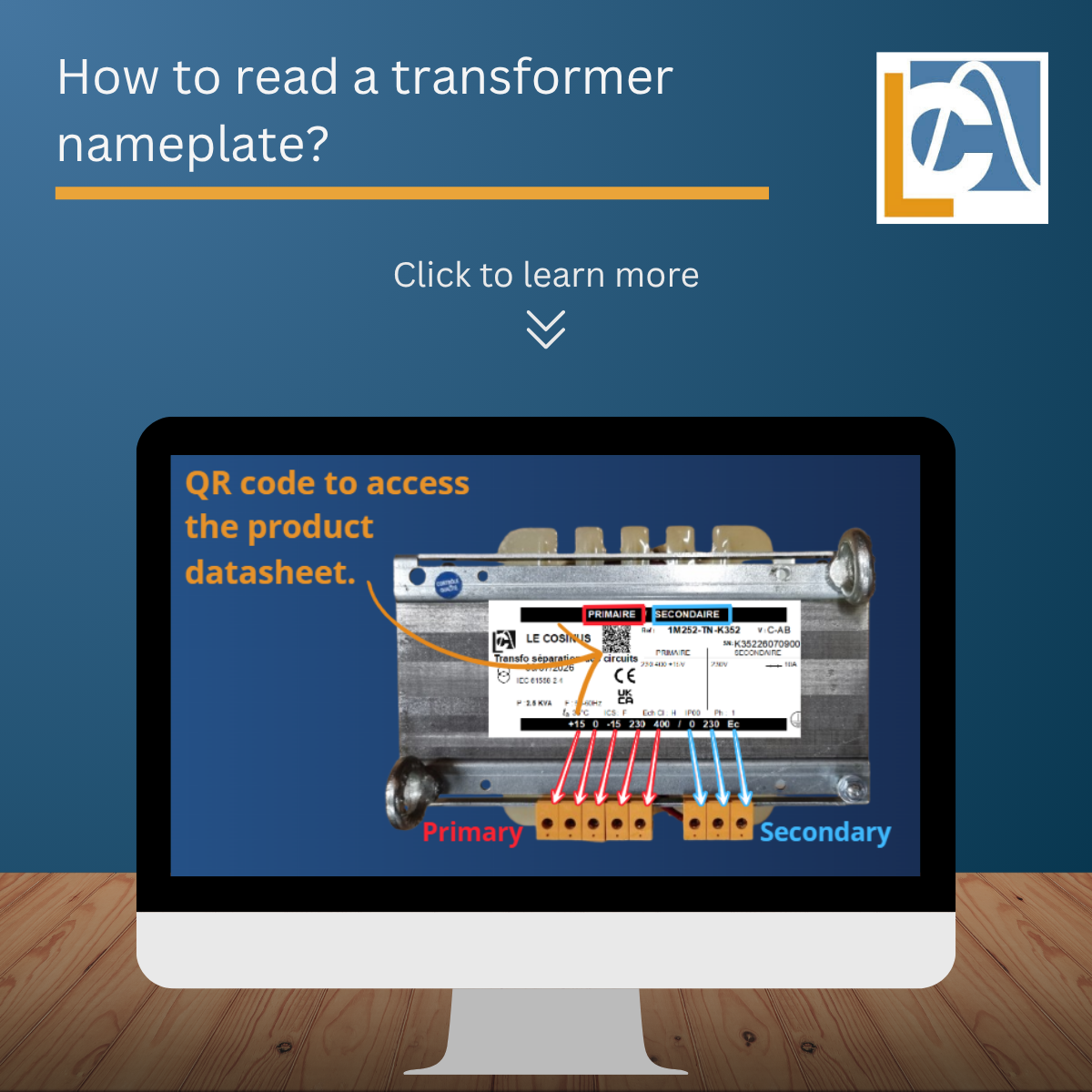
Connecting a transformer is not just about connecting conductors. To ensure a reliable, high-performance and safe installation, it is essential to know how to correctly interpret the nameplate.…