


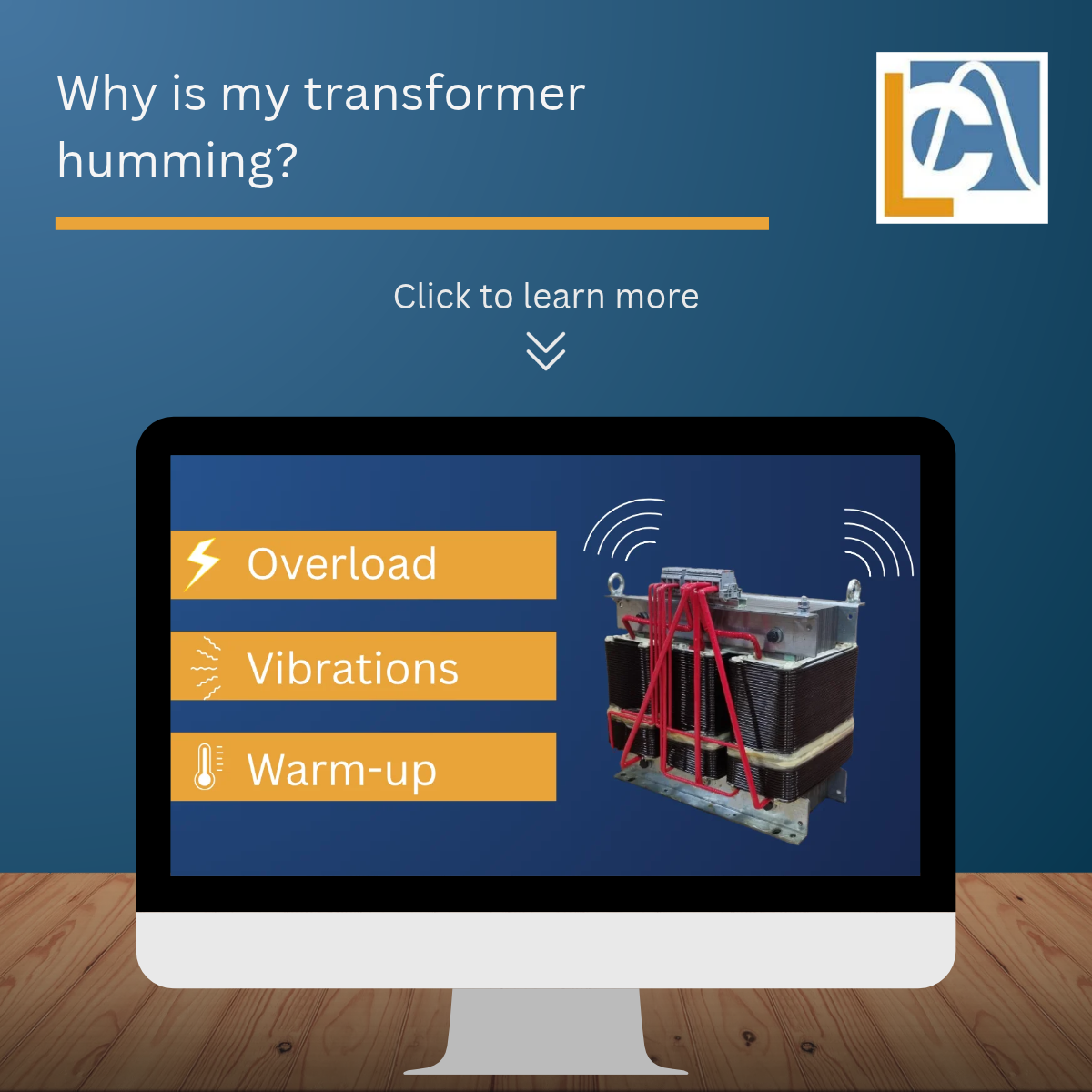
Why is my transformer humming?
A transformer that hums isn't necessarily defective. An electrical transformer naturally produces a slight hum when it's operating. The laminations in the magnetic circuit expand and contract very slightly…
Contact Us
 English
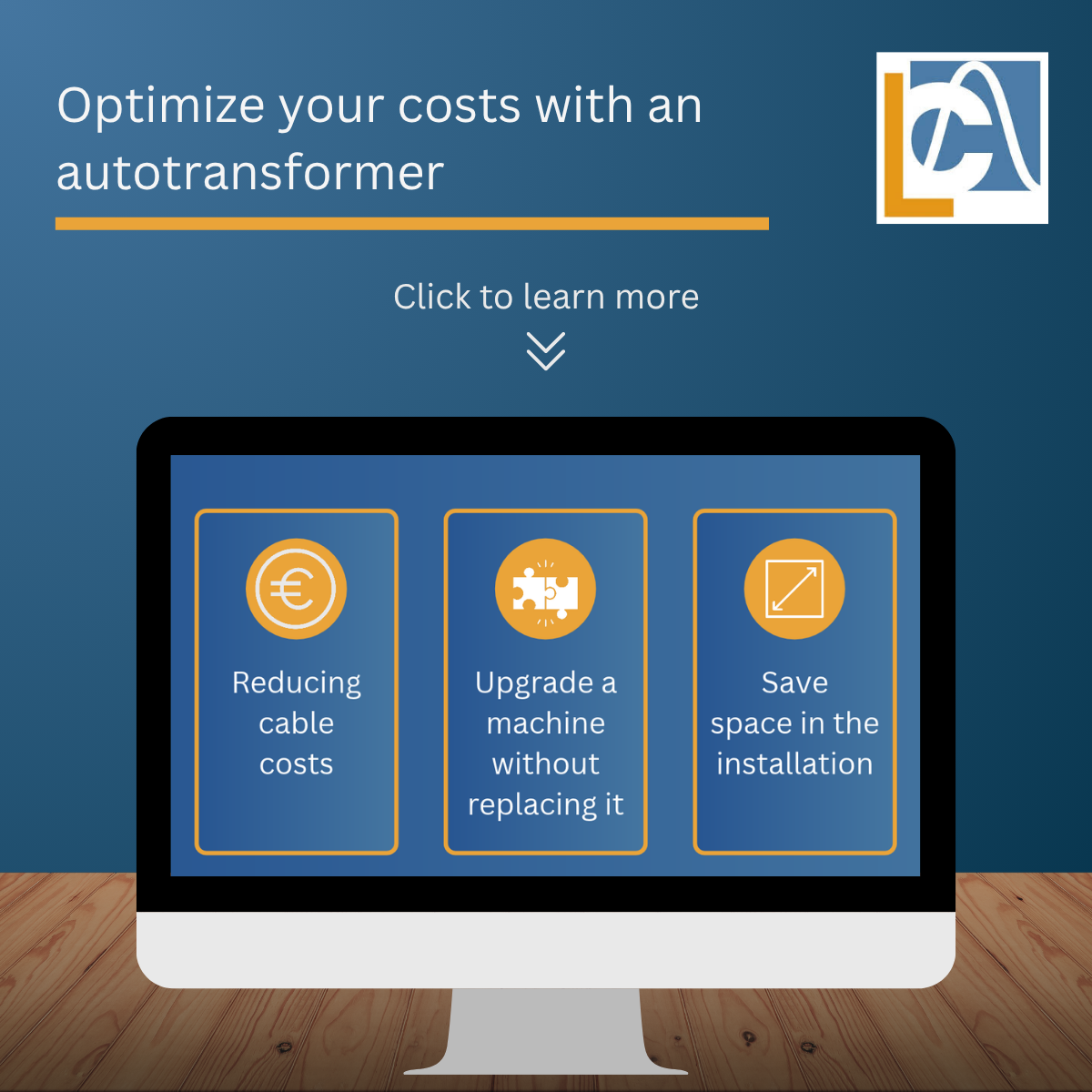
A machine located far from the electrical panel, or one that does not operate on the voltage available on-site: in these situations, there are several solutions, and the autotransformer is one of them. It adjusts the voltage and, depending on the project, can reduce cable costs, energy losses, and the space required for the installation.
A step-up autotransformer increases the voltage, while a step-down autotransformer decreases it. In both cases, it supplies the voltage that the machine or system actually needs.
Unlike an isolation transformer, an autotransformer uses a common winding for both the input and output. It therefore requires less winding and magnetic steel: for the same power rating, it is more compact, lighter, and more cost-effective.
Some models are designed to operate in both directions; they are referred to as reversible. However, this capability must be planned for during the device’s design phase and validated based on the characteristics of the network.
When a machine is installed far from its power source, supplying it with a significant amount of power without excessive voltage drop may require cables with a large cross-sectional area. Purchasing and installing these cables can therefore represent a significant expense.
To reduce this cost, a step-up autotransformer can be installed at the line’s starting point to increase the voltage from 400 V to 990 V, for example. At the same power level, a higher voltage reduces the current flowing through the conductors and reduces losses proportional to the square of the current (RI²). For a given cable cross-sectional area, Joule losses are therefore significantly reduced. But another benefit is the ability to substantially reduce the cable cross-sectional area, thereby saving money.
At the receiving end, a step-down autotransformer reduces the voltage to 400 V to power the machine normally. This configuration allows for the use of conductors with a smaller cross-sectional area, thereby reducing the overall cost of the connection.
Profitability depends on distance, the power transmitted, operating time, and the cost of the cables. It is also necessary to take into account the cost of purchasing and installing the two autotransformers, their inherent losses, and the necessary electrical protections. A project study is therefore essential before approving this solution.
A machine may be in perfect working order but still incompatible with the site's voltage. This is particularly true for imported equipment, a machine that has been moved from another plant, or an electrical system that has recently been modified.
A step-up or step-down autotransformer can then be used to adjust the line voltage to the voltage required by the machine. This allows the company to avoid replacing equipment that is still functional simply because of a voltage difference.
However, the autotransformer must be properly sized. Factors to consider include the lack of galvanic isolation, power consumption, inrush current, the nature of the load, and operating time. Our guide explains how to calculate the required power of a transformer.
À puissance comparable, l’autotransformateur est généralement moins volumineux qu’un transformateur d’isolement. Il s’intègre donc plus facilement dans une armoire, un atelier ou un local technique déjà bien occupé.
Its light weight can also make it easier to handle and install. Actual dimensions, however, vary depending on power rating, input and output voltages, cooling method, and protection rating.
The choice depends primarily on the available voltages. If the line voltage is too low for the machine, you’ll need a step-up model. If it’s too high, you’ll need a step-down model.
For a long electrical connection, both can be used together: the step-up autotransformer increases the voltage at the source, and then the step-down autotransformer restores the operating voltage at the destination.
An autotransformer does not provide galvanic isolation between its input and output. It is therefore not suitable when it is necessary to isolate two circuits, change the neutral configuration, or meet a specific electrical isolation requirement. In such cases, a suitable electrical transformer is required.
Protective measures, ventilation, ambient temperature, and any starting currents must also be evaluated. These checks help prevent the use of equipment that is undersized or incompatible with the installation.
Cosinus designs step-up and step-down autotransformers, both standard and custom. Voltage ratings, power ratings, tap settings, protective enclosures, and accessories can be tailored to meet the specific requirements of your site.
To find out if this solution is right for your installation and to get a quote, submit your project to Le Cosinus.
A transformer that hums isn't necessarily defective. An electrical transformer naturally produces a slight hum when it's operating. The laminations in the magnetic circuit expand and contract very slightly…
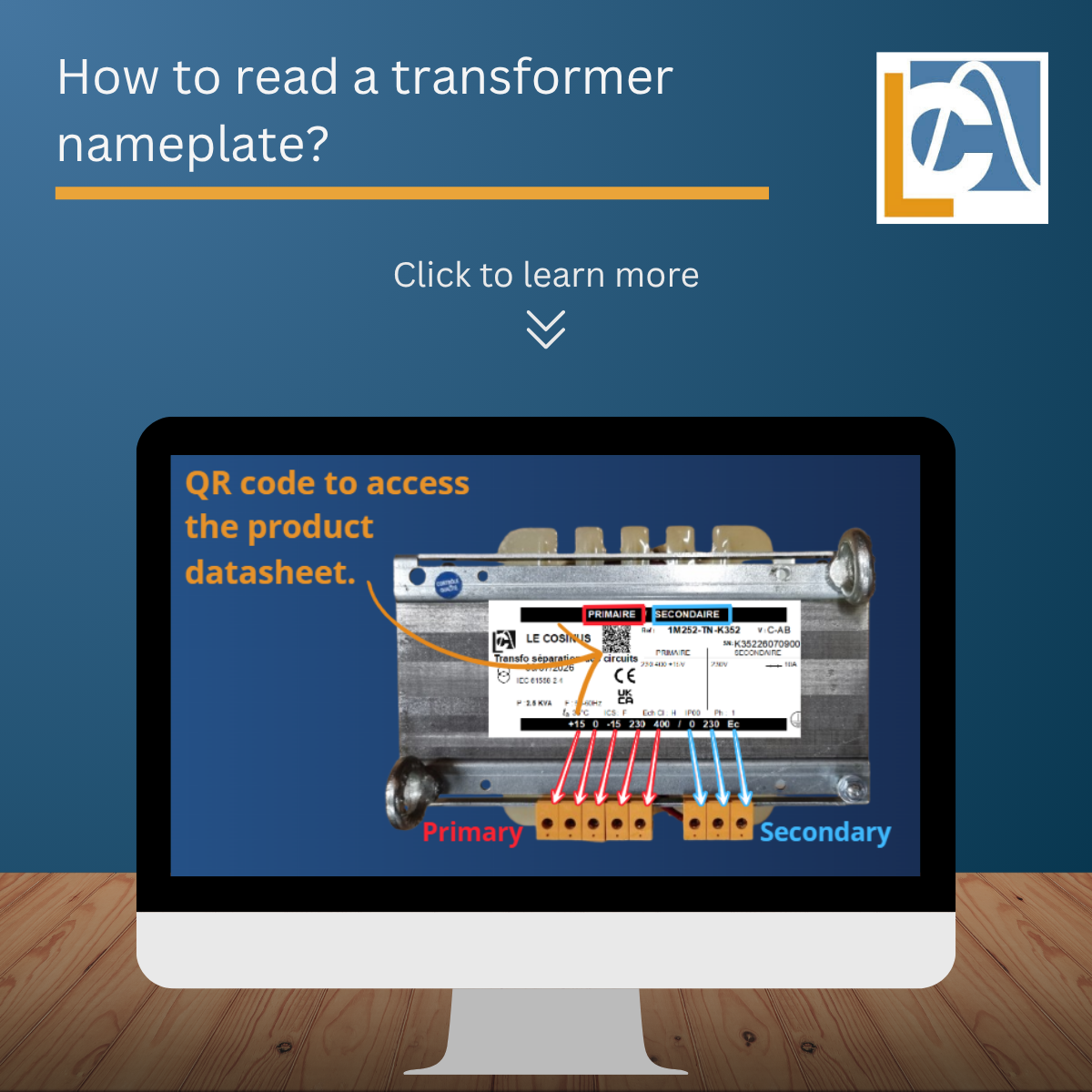
Connecting a transformer is not just about connecting conductors. To ensure a reliable, high-performance and safe installation, it is essential to know how to correctly interpret the nameplate.…
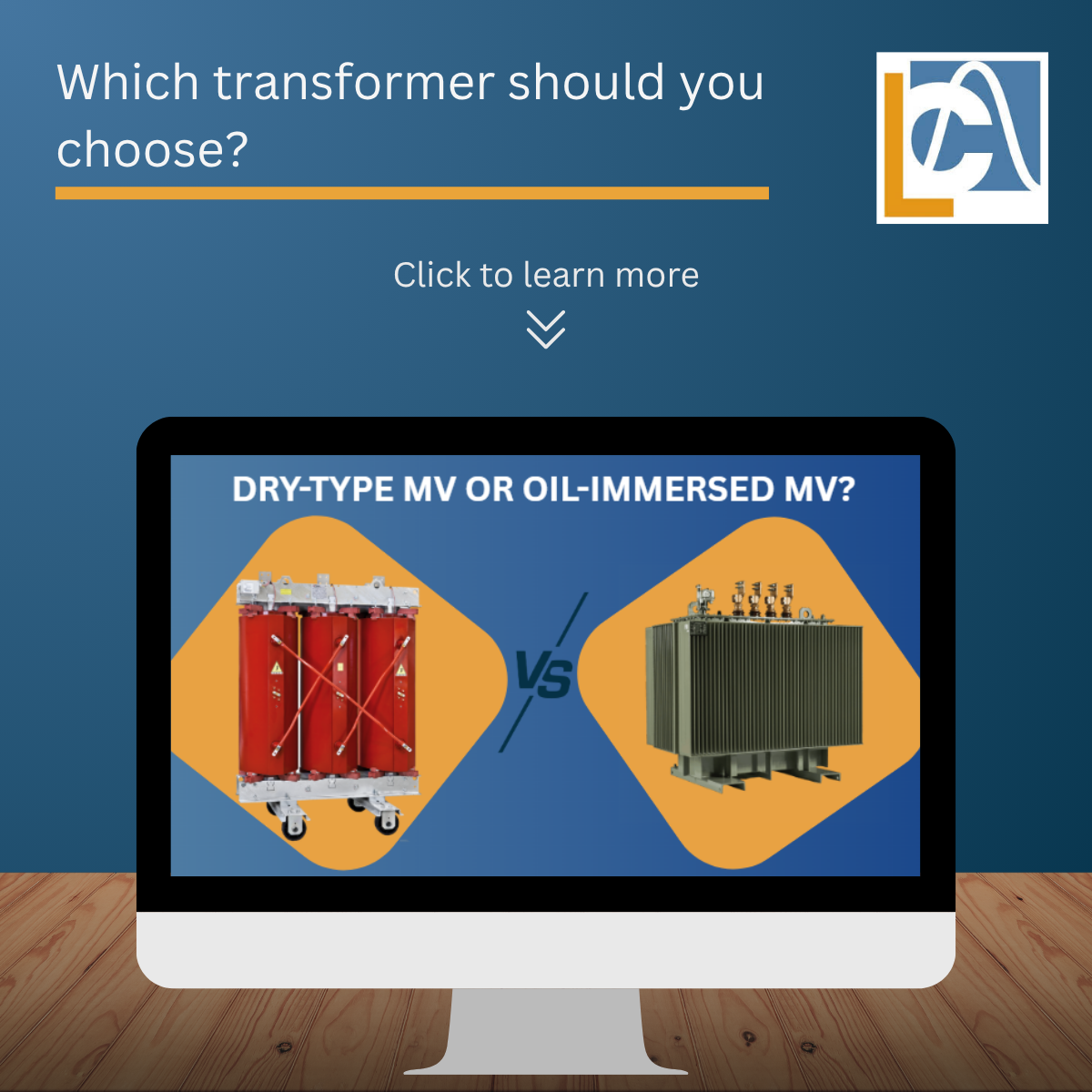
When equipping an HV/MV substation, the choice of transformer is not simply a matter of power rating. The installation environment, safety constraints, maintenance requirements…
