In the modern energy landscape, the electrical transformer plays a central and unavoidable role. Invisible but essential, this equipment is at the heart of the transmission and distribution of electricity. But in concrete terms, what is the purpose of an electrical transformer?
A question of tension
Electricity generated by power plants has to travel long distances before reaching our homes, businesses and infrastructure. However, transporting energy at low voltages would result in considerable losses. This is where the electrical transformer comes into play.
The main function of a transformer is to adapt voltage levels:
Raising the voltage at the time of production, the current generated is brought to a very high voltage, often in the order of several hundred thousand volts. This step reduces energy losses during long-distance transport.
Reduce voltage before electricity reaches the end user, it must be lowered to levels that are compatible with our electrical appliances and systems. This is done via transformers located in the distribution substations.
How does a transformer work?
The transformer is based on a simple physical principle: electromagnetic induction. Composed of a magnetic core and windings (i.e. the primary and secondary), it transforms the voltage according to the ratio between the number of turns of the windings. This process allows for precise and efficient voltage matching without significant energy loss.
Multiple applications
Beyond the transmission of electricity, electrical transformers find applications in various fields:
In industry, they are used to power and protect heavy equipment requiring specific voltages. In urban networks, they ensure the distribution of electricity to homes and businesses. In electronic devices, they are integrated as mini-transformers into chargers and adapters.
Guarantor of energy reliability
At Le Cosinus, we design transformers that combine innovation and sustainability to meet the demands of modern power grids. Our solutions are optimized to minimize losses and ensure stable power, even under the most demanding conditions.
The electrical transformer is more than just a technical component: it is an essential link in a chain that ensures the flow of energy, from its production to its final use. To understand its role is to appreciate the engineering behind the light that illuminates our lives.
Une machine éloignée du tableau électrique, ou qui ne fonctionne pas avec la tension disponible sur le site : dans ces situations, plusieurs solutions existent, et l’autotransformateur en fait partie.…
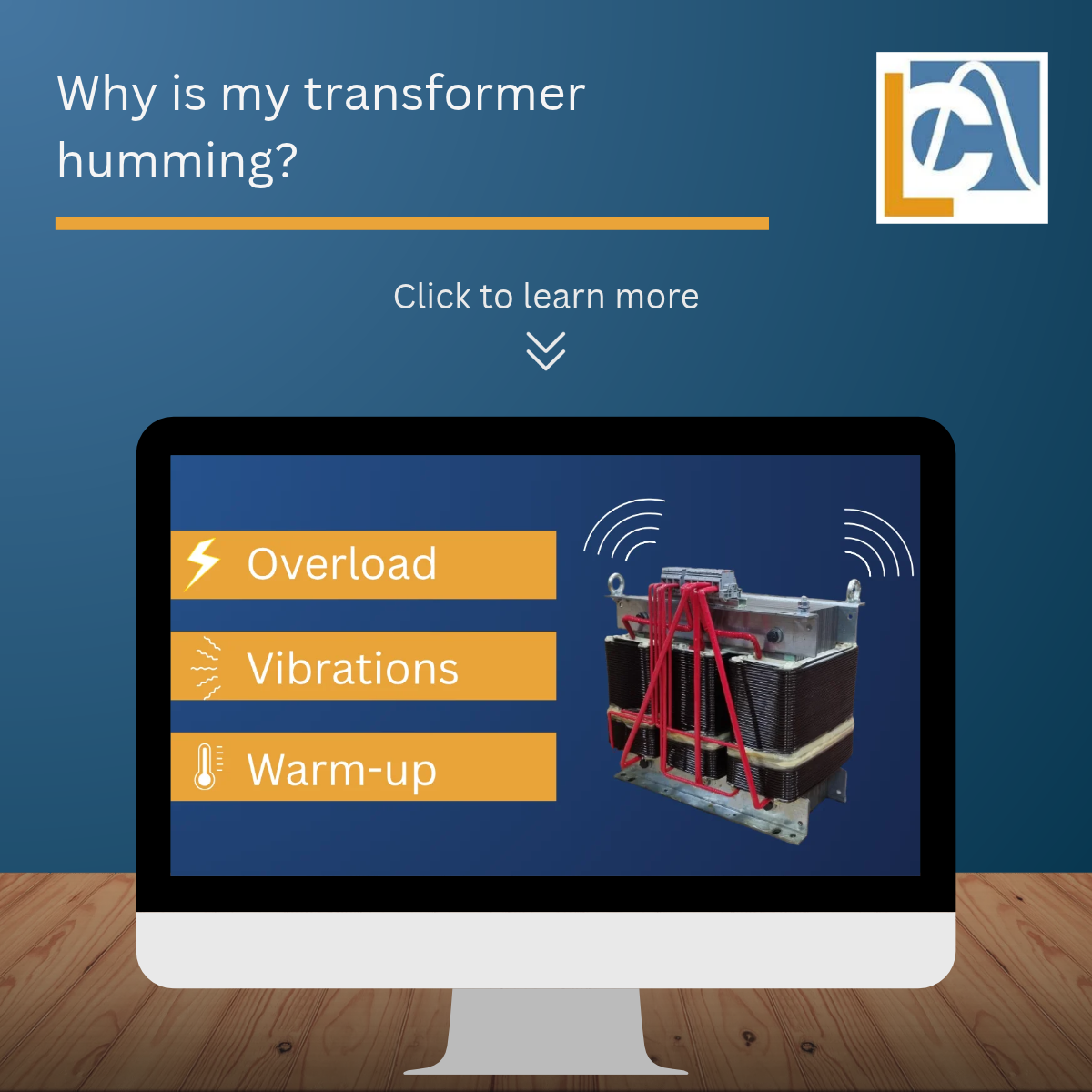
A transformer that hums isn't necessarily defective. An electrical transformer naturally produces a slight hum when it's operating. The laminations in the magnetic circuit expand and contract very slightly…
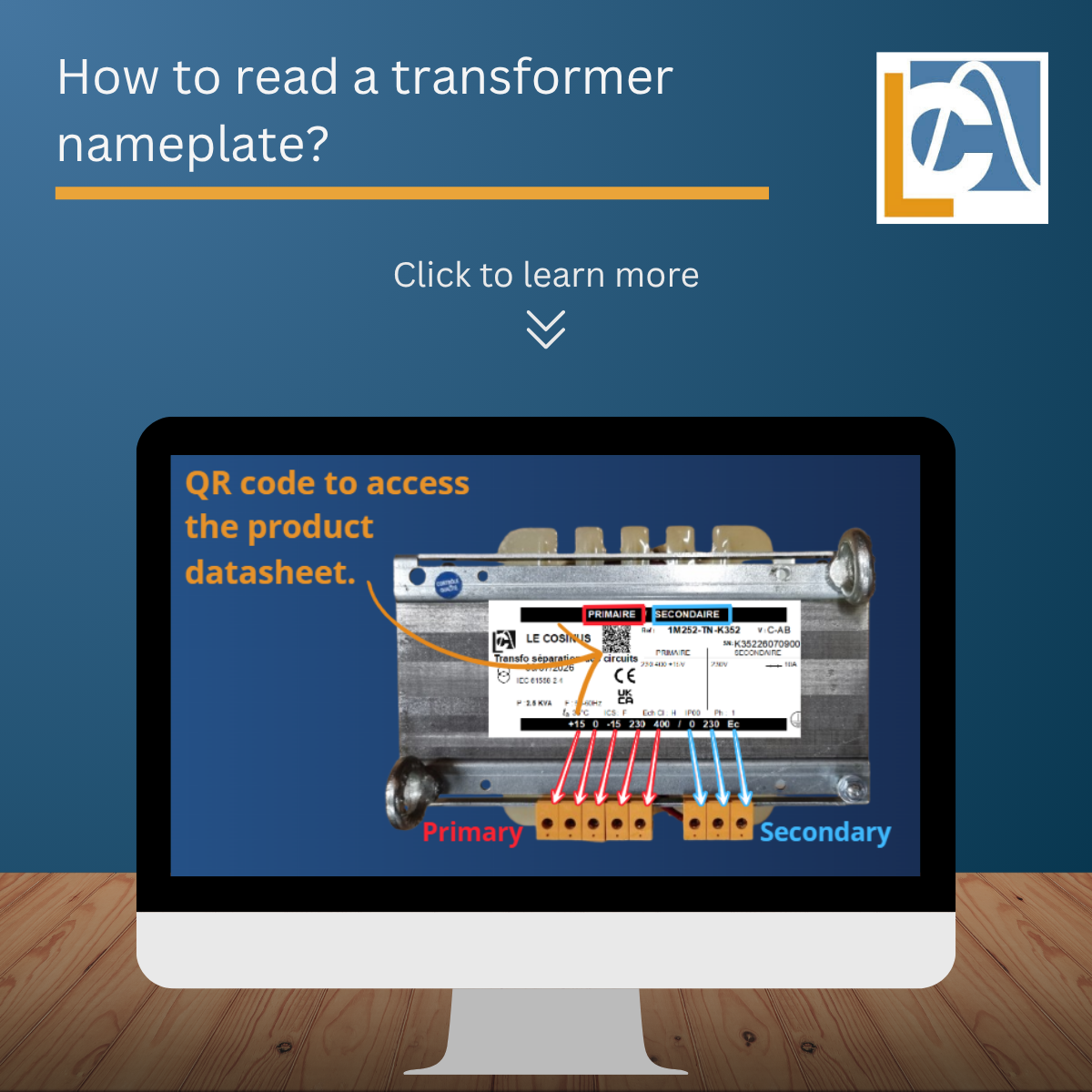
Connecting a transformer is not just about connecting conductors. To ensure a reliable, high-performance and safe installation, it is essential to know how to correctly interpret the nameplate.…