


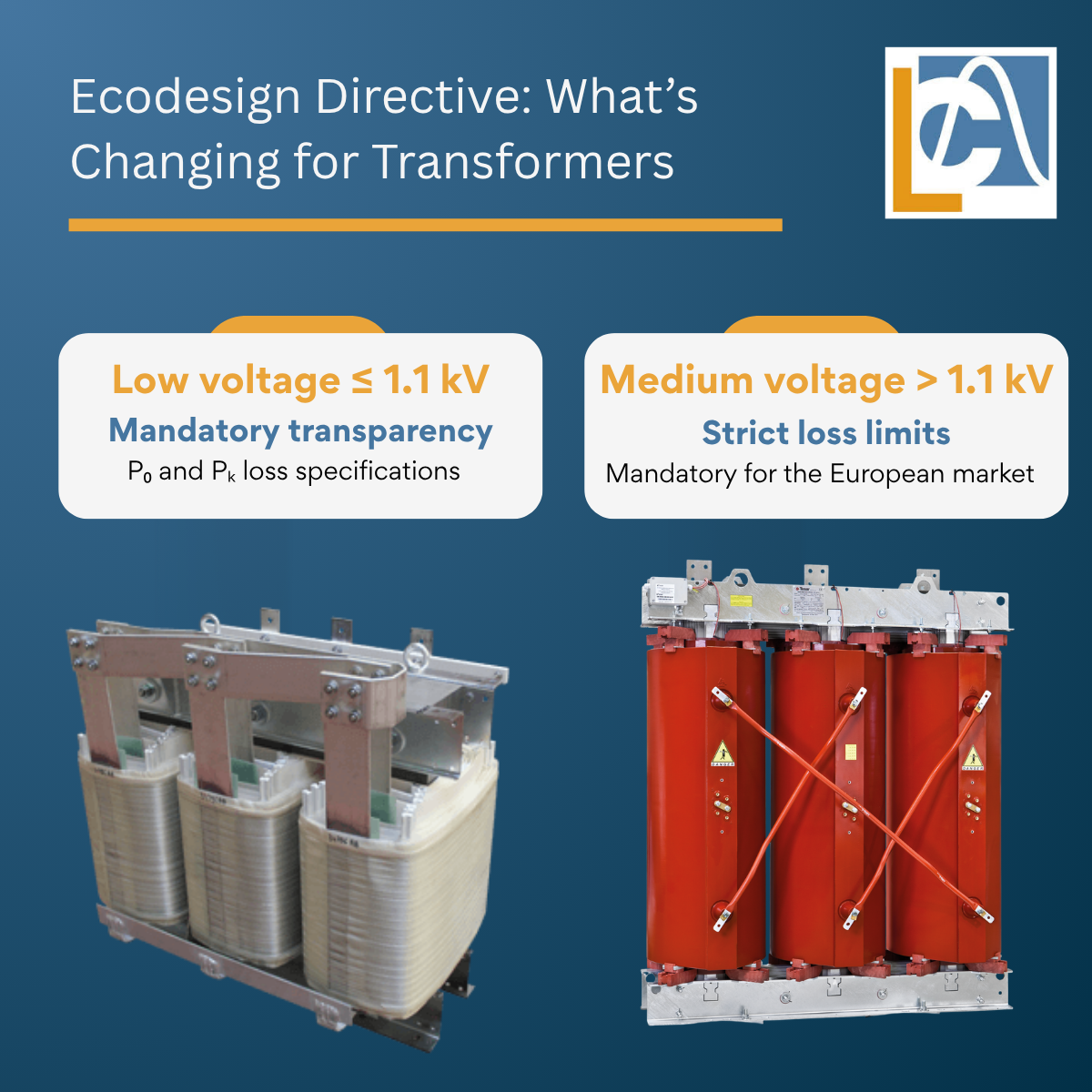
Understanding the Ecodesign Directive for Electrical Transformers
Since 1 July 2021, a major milestone was reached for transformer manufacturers and users in Europe with the entry into force of Phase 2 (or "…
Contact Us
 English
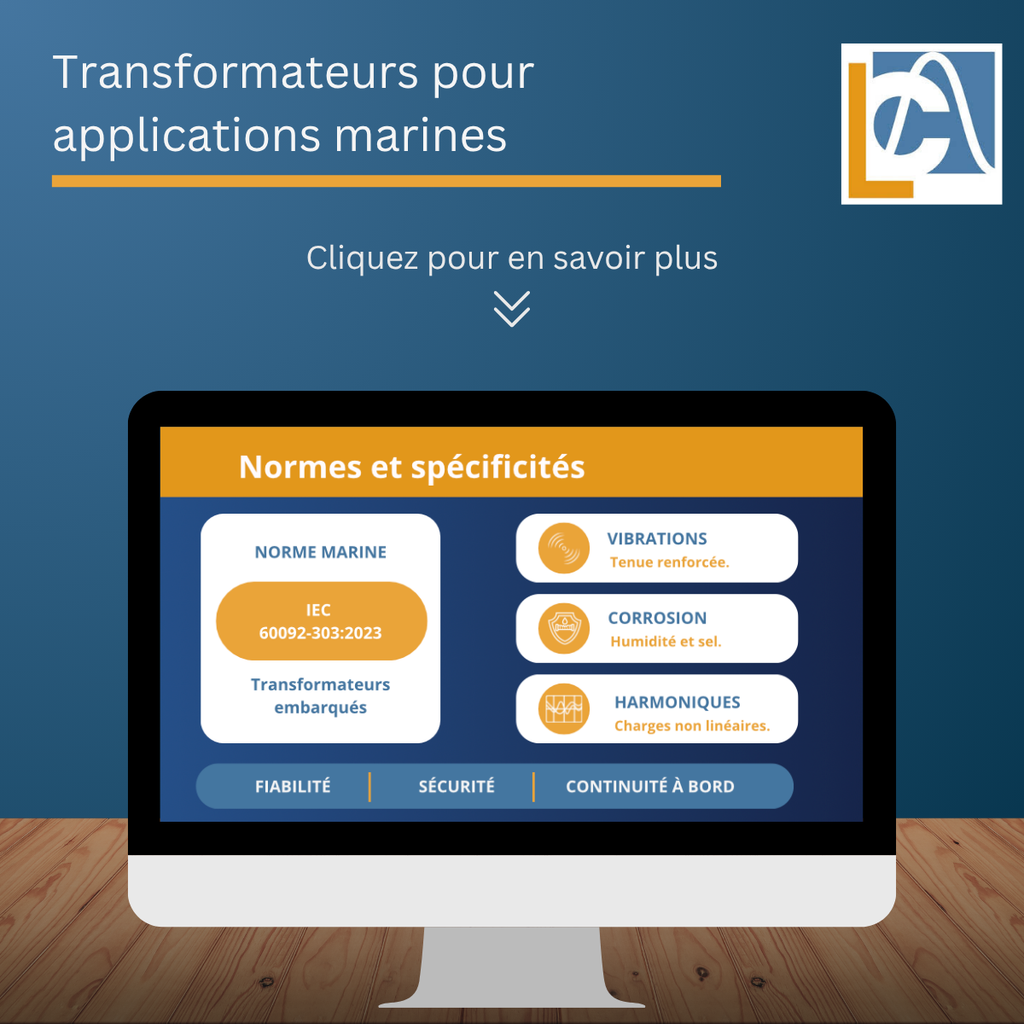
To ensure safe and efficient operation, transformers used in marine applications must comply with strict regulatory standards.
Transformers for marine applications must withstand extreme technical conditions. These challenges are related both to the environment itself and to the specific requirements of maritime industries.
Transformers for marine applications are used in a wide range of applications where reliable power supply is essential. These include power supply for:
This also includes onboard air-conditioning and refrigeration systems.
On a vessel or offshore platform, the marine environment presents extreme operating conditions. Electrical installations must be protected against salty air and high levels of humidity. Whether installed indoors or outdoors, marine transformers must be resistant to corrosion. Temperature variations must also be taken into account. Ensuring the stability and reliability of electrical networks is equally essential.
In maritime environments, marine transformers must be designed to meet strict regulatory standards. These include compliance with European Directive 2014/90/EU. IEC 60322 can also be mentioned in relation to the installation of electrical cables with fire-resistant properties. In addition, Bureau Veritas inspections and certification requirements may apply to ensure that installations remain compliant or are brought into compliance.
In marine environments, equipment is exposed to moisture and corrosion. It is therefore essential to select equipment made from materials capable of withstanding these demanding conditions. For electrical installations and marine transformers, stainless steel, aluminium and copper are recommended for their resistance to such environments.
Across all sectors, a vessel must be fitted with a bespoke transformer. This must be suited to the layout of the installation site, the flexible control of motor power and variations in speed. It is also important to take into account the mechanical stresses associated with the marine environment and weather conditions.
Clearly identifying your energy requirements is essential when determining the technical specifications of marine transformers. These include, among other factors, voltage, power rating and the frequency at which the equipment is operated. For example, Le Cosinus low-voltage (LV) transformers offer a maximum power rating of 400 kVA. This type of equipment features dual vacuum-applied tropicalisation for enhanced protection in demanding environments.
The design and installation of transformers for marine applications must meet numerous technical requirements. This is why it is essential to comply with applicable standards and certifications, such as Bureau Veritas certification. Contact Le Cosinus, a French company specialising in transformers and other customised electrical equipment, manufactured in France. Our engineering department adapts to the specific requirements of your industry and advises you on solutions tailored to your energy needs. Our teams provide high-quality support throughout your project.
Since 1 July 2021, a major milestone was reached for transformer manufacturers and users in Europe with the entry into force of Phase 2 (or "…
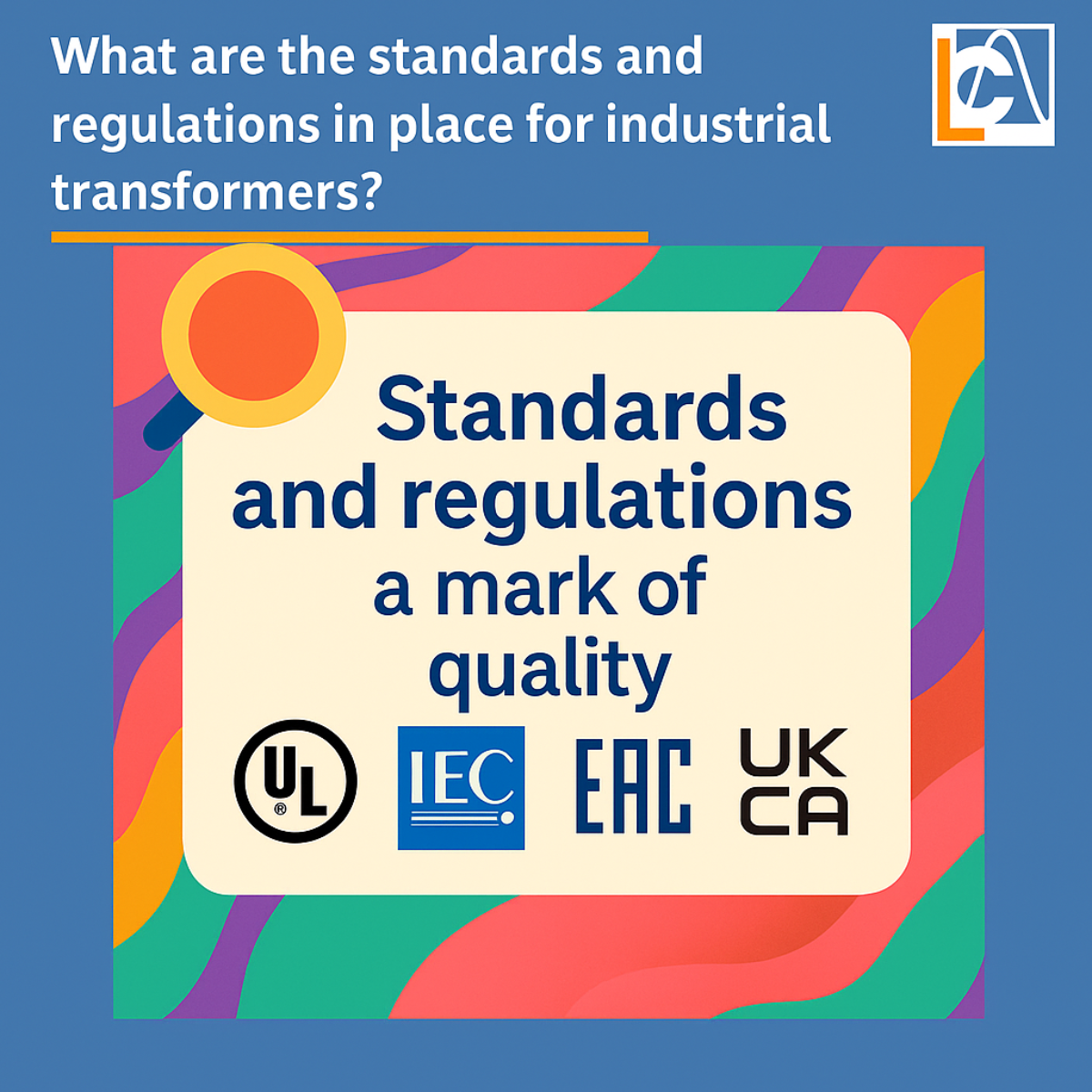
Industrial electrical transformers are subject to a set of standards and regulations designed to ensure their safety, performance and compliance with European and environmental requirements. At Le…

At Le Cosinus, an electrical transformer manufacturer, we firmly believe that sustainability and innovation can go hand in hand. Since our founding, we have always been committed to combining excellence…
