


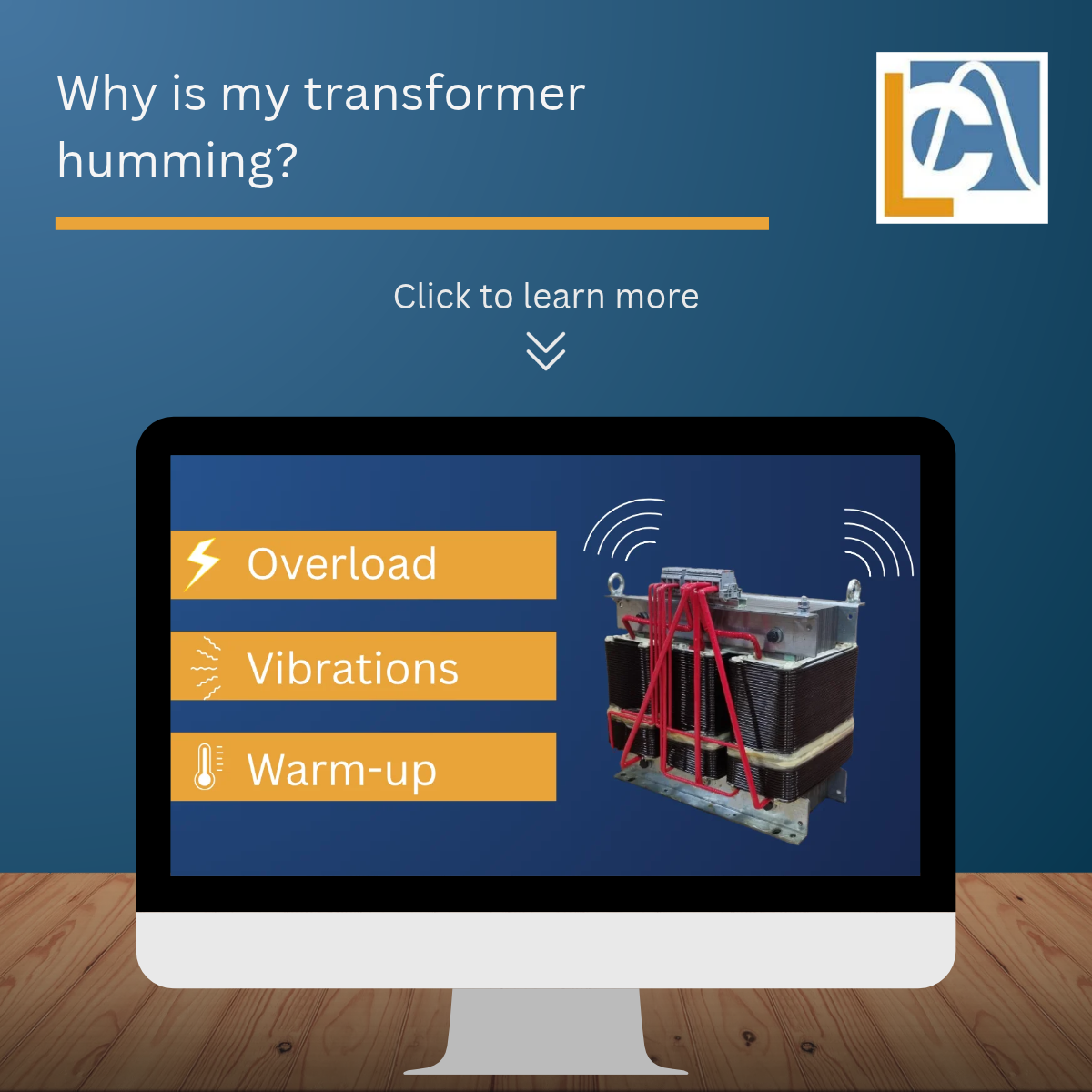
Why is my transformer humming?
A transformer that hums isn't necessarily defective. An electrical transformer naturally produces a slight hum when it's operating. The laminations in the magnetic circuit expand and contract very slightly…
Contact Us
 English
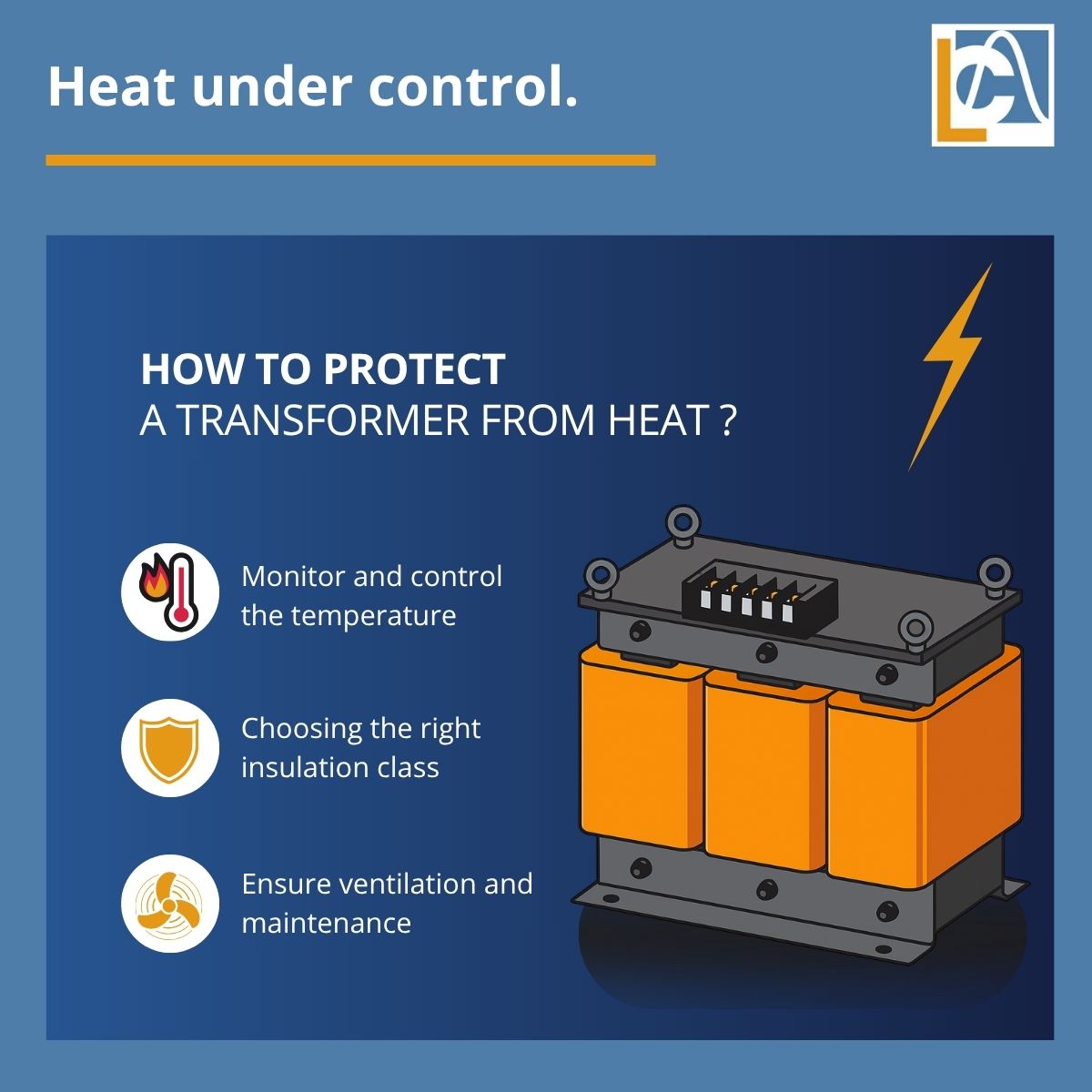
At Le Cosinus, we have been manufacturing and supporting transformers,, inductors and DC power supplies for nearly 80 years. But behind every transformer there is much more than just a component: it ensures the continuity and transfer of energy. And to function, it must manage an unavoidable reality: heating.
When a transformer is running, it generates an electromagnetic field, and this produces heat. This heat appears mainly in:
A little heat is normal if the heating standards are respected and the insulation is provided for these heating. So we pay attention to the surrounding temperature, ventilation, the charge, the environment, etc, so that everything works well and lasts over time.
Transformers heat up when they are running, this is normal. Insulation is used to prevent damage to the equipment. Different insulating material tolerates heat differently, and insulation classes tell how far a transformer can go to see these insulators degrade abnormally.
The insulation class is chosen according to the expected heat and the location where the transformer will be installed. The goal is simple: for the transformer to remain sustainable, whatever the conditions.
| Class | Warm-up (Ta 40°) | Max Temperature |
| Has | 60°C | 105°C |
| E | 75°C | 120°C |
| B | 80°C | 130°C |
| F | 100°C | 155°C |
| H | 125°C | 180°C |
| C | 150°C | >180°C |
A high insulation class does not necessarily mean the best solution. The aim is to find the right compromise between performance, cost and longevity. For example, Class B is sufficient in a standard industrial environment often for low power, while F or H will be preferable for higher power or more demanding environments: high ambient temperature, continuous operation or limited space. We analyse all these parameters to ensure that your transformer always stays in its thermal comfort zone.
Our sales and technical teams work together to offer simple, robust solutions adapted to the field. Here, there are no impersonal speeches or ready-made answers: only passionate, available and committed experts. Because in the end, trust is as important as technique.
La qualité du circuit magnétique influence les pertes fer et la température de fonctionnement. Découvrez comment les tôles magnétiques contribuent au rendement des transformateurs.

A transformer that hums isn't necessarily defective. An electrical transformer naturally produces a slight hum when it's operating. The laminations in the magnetic circuit expand and contract very slightly…
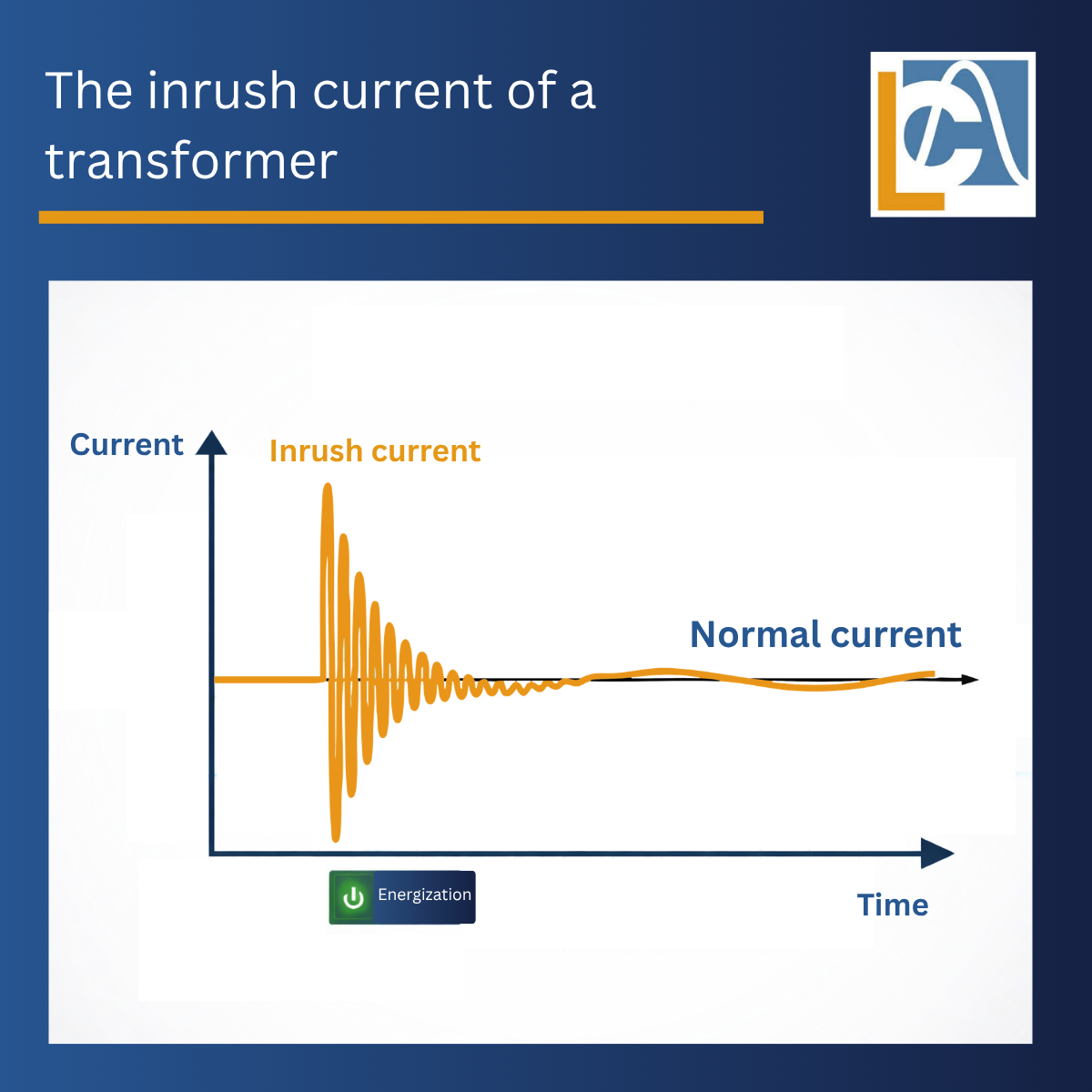
What actually happens when you switch on a transformer. At the precise moment of energising, the transformer can draw a brief but very high current. This peak, perfectly normal, lasts only…

In many industrial, technical, or sensitive environments, the power supply must be reliable, stable, and safe. The isolation transformer meets these requirements precisely. Often unobtrusive within a system, it…
