


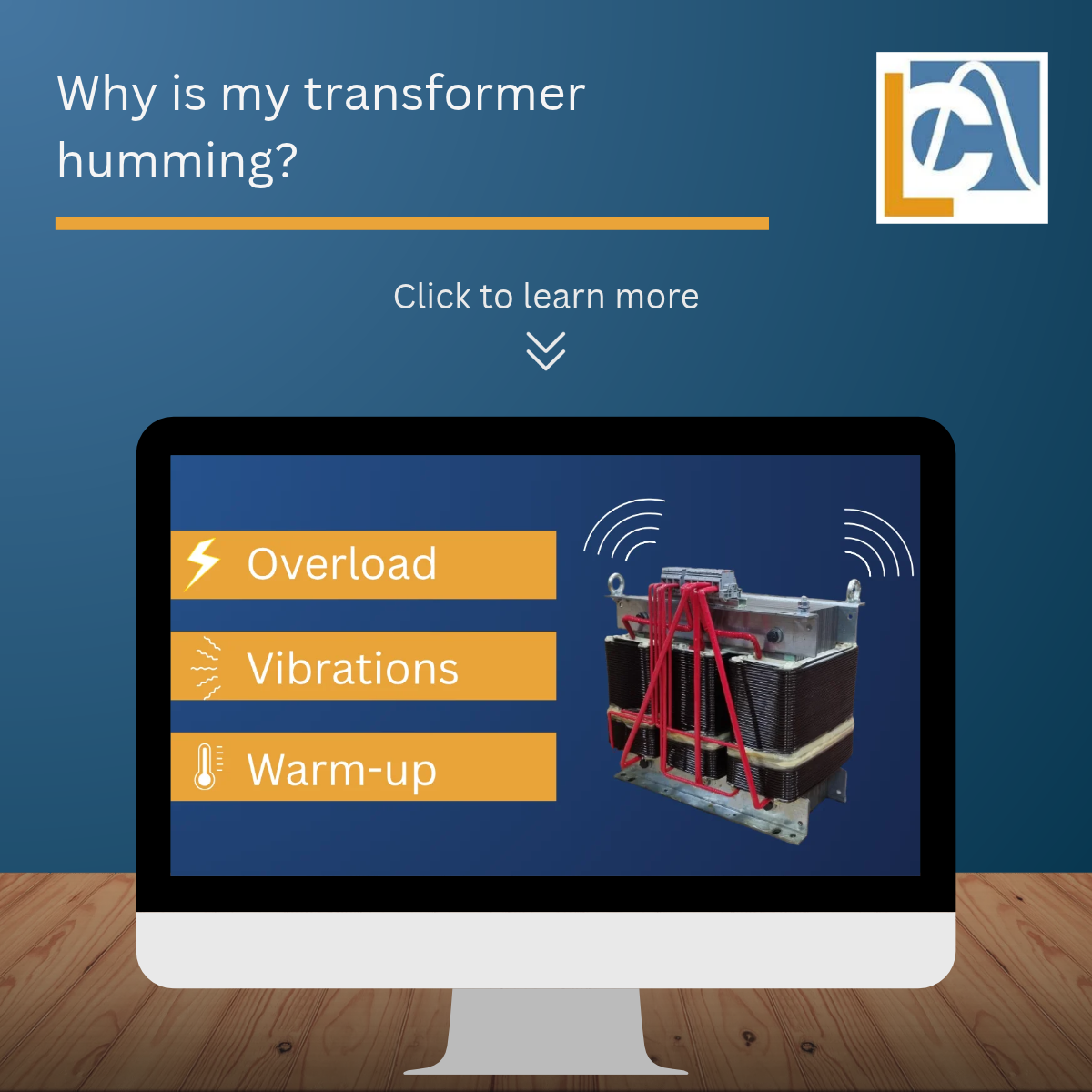
Why is my transformer humming?
A transformer that hums isn't necessarily defective. An electrical transformer naturally produces a slight hum when it's operating. The laminations in the magnetic circuit expand and contract very slightly…
Contact Us
 English
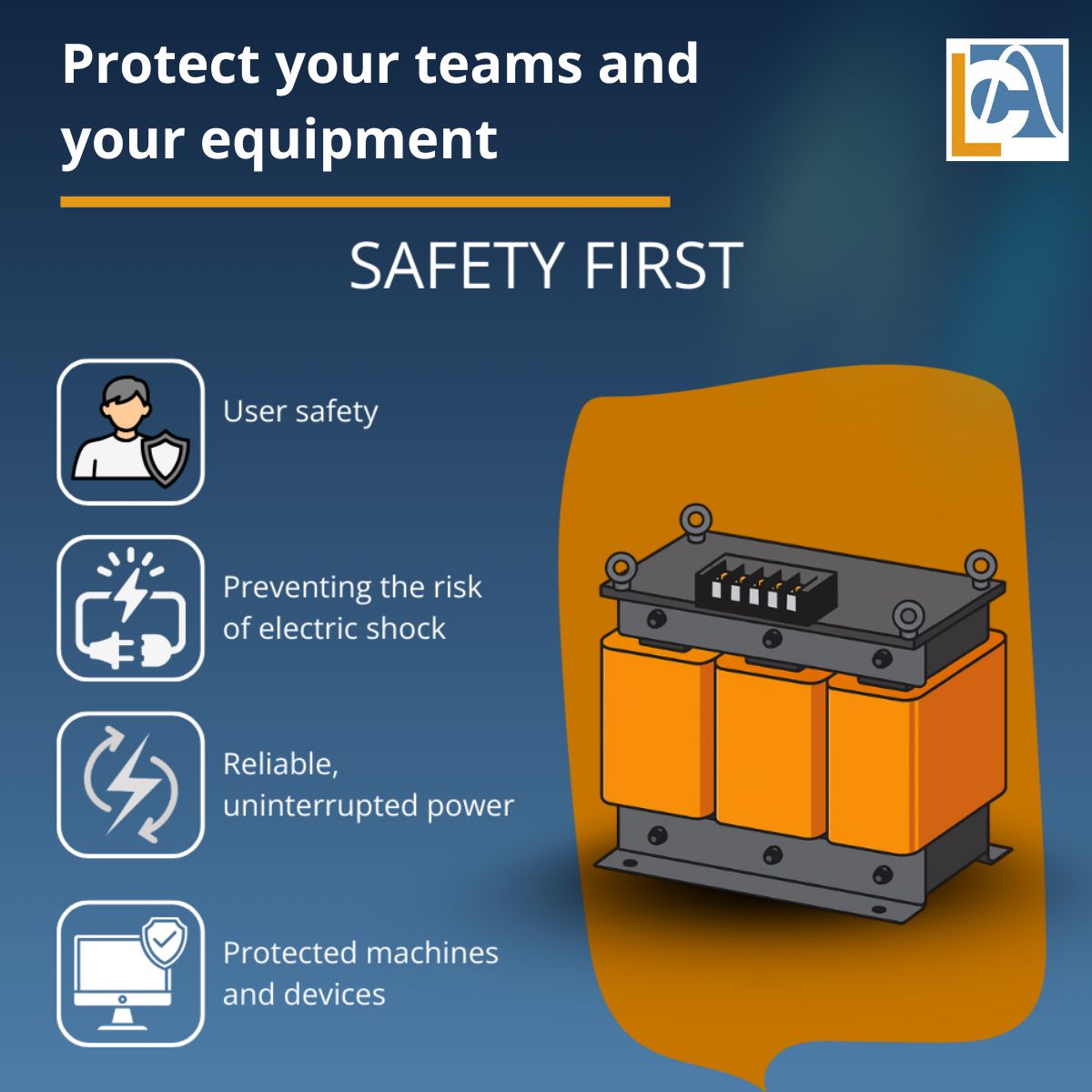
In many industrial, technical or sensitive environments, the power supply must be reliable, stable and safe at the same time. The isolation transformer meets precisely these requirements.
Often discreet in an installation, it nevertheless plays an essential role both in the protection of people and in the preservation of equipment.
The primary function of an isolation transformer is to create a complete separation between the grid and the powered device. This galvanic isolation eliminates any direct electrical contact between the upstream and downstream of the transformer: the energy is transmitted only by the magnetic field between two separate windings.
What's the point? In the event of a fault on a machine, a leakage current cannot "go up" to the main network. The risk of electrocution for an operator is therefore greatly reduced. It is essential safety in critical environments: wet workshops, laboratories, industrial facilities or operating rooms where continuity of service and the protection of people are essential.
This isolation also makes it possible to create a specific neutral regime (often of the IT type, isolated neutral), which is very popular in hospital applications or sensitive facilities.
Beyond safety, an isolation transformer acts as a real shield for connected devices. The public network may have overvoltages, interference or high-frequency disturbances. The transformer attenuates them and provides a cleaner, smoother power. In complex systems, it also makes it possible to eliminate ground loops, which are often responsible for interference, noise or malfunctions in audio, video or computer chains.
As a result, equipment is better protected, more reliable and has a longer service life.
The isolation transformer is not limited to safety: it is also a tool for adapting the network.
Create a neutral: Some installations are poweredby 400 V three-phase without neutral, while many machines require a neutral for their command or control circuits. With a suitable coupling (e.g. Dyn11), the transformer can generate a stable neutral at the output.
Adapt a voltage: When an imported machine is running on a specific voltage (230 V three-phase, 208 V, etc.), the transformer allows the power supply to be adjusted to ensure perfect compatibility.
Limit harmonics: Some couplings, suchas the triangle, can trap the harmonics generated by the equipment and limit their propagation to the rest of the installation.
The isolation transformer is much more than just an electrical accessory:
it is a central element in ensuring the safety of people, protecting sensitive equipment and guaranteeing a stable and suitable power supply.

A transformer that hums isn't necessarily defective. An electrical transformer naturally produces a slight hum when it's operating. The laminations in the magnetic circuit expand and contract very slightly…
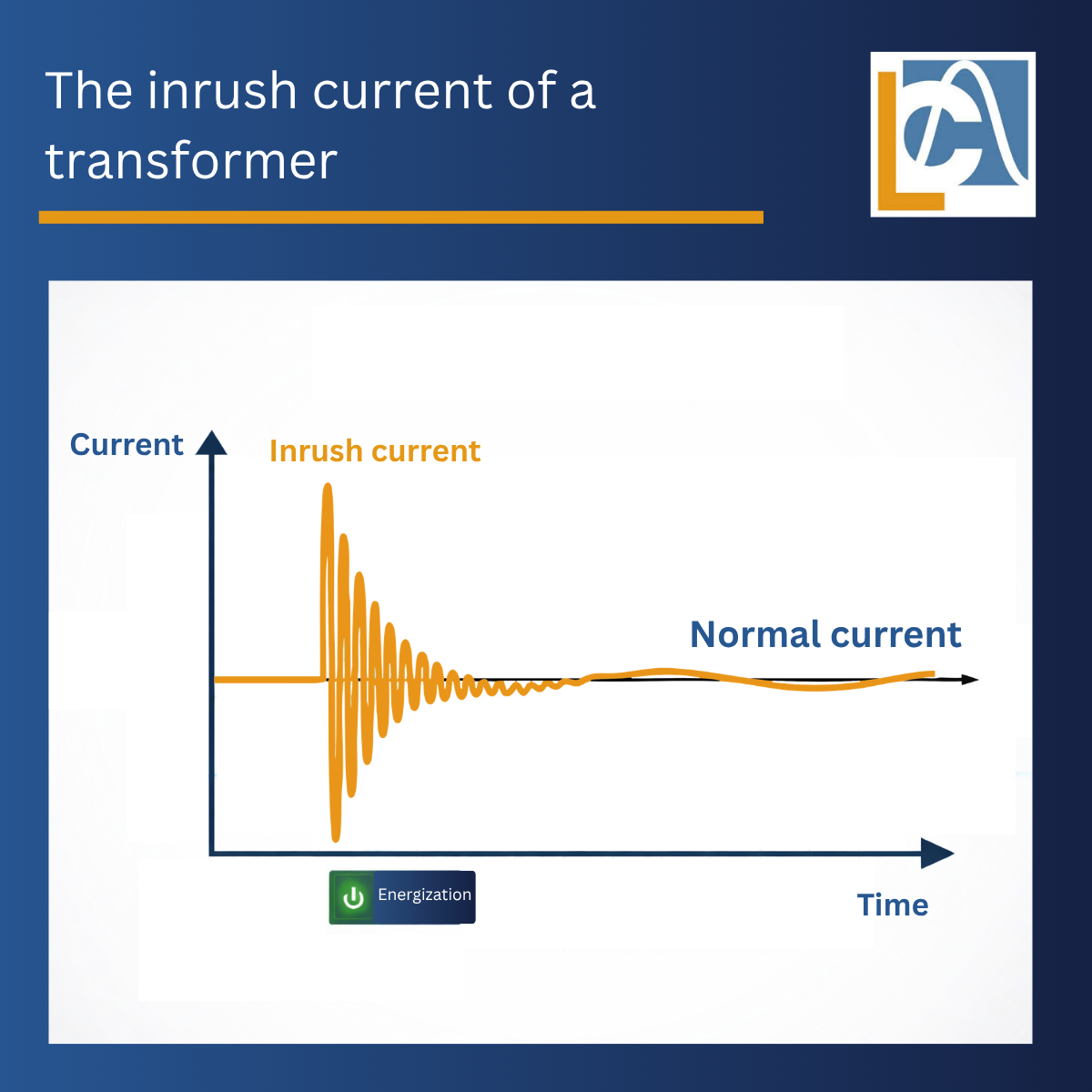
What actually happens when you switch on a transformer. At the precise moment of energising, the transformer can draw a brief but very high current. This peak, perfectly normal, lasts only…
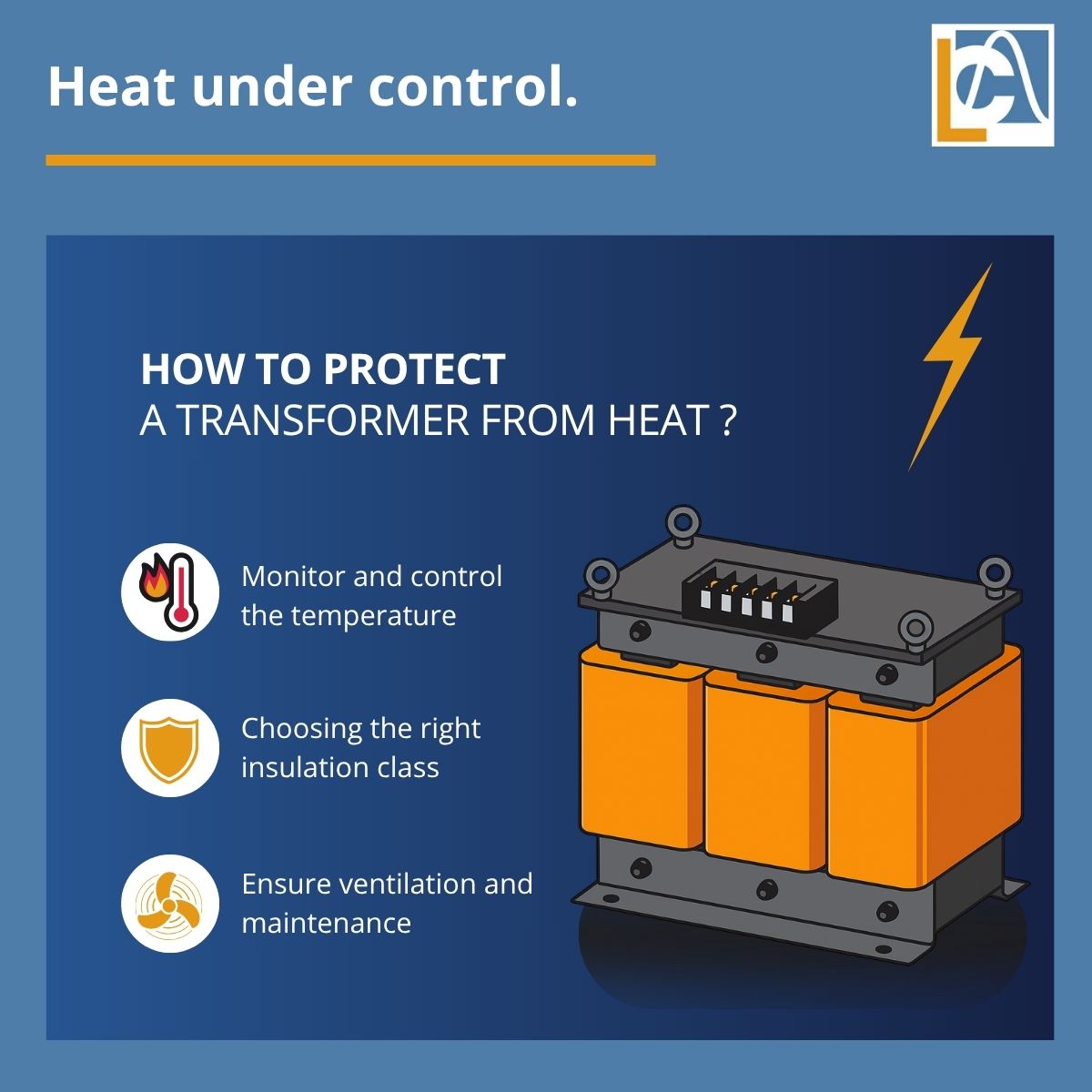
At Le Cosinus, we have been manufacturing and supporting transformers, inductors, and DC power supplies for nearly 80 years. But behind every transformer, there is much more than just a…
