


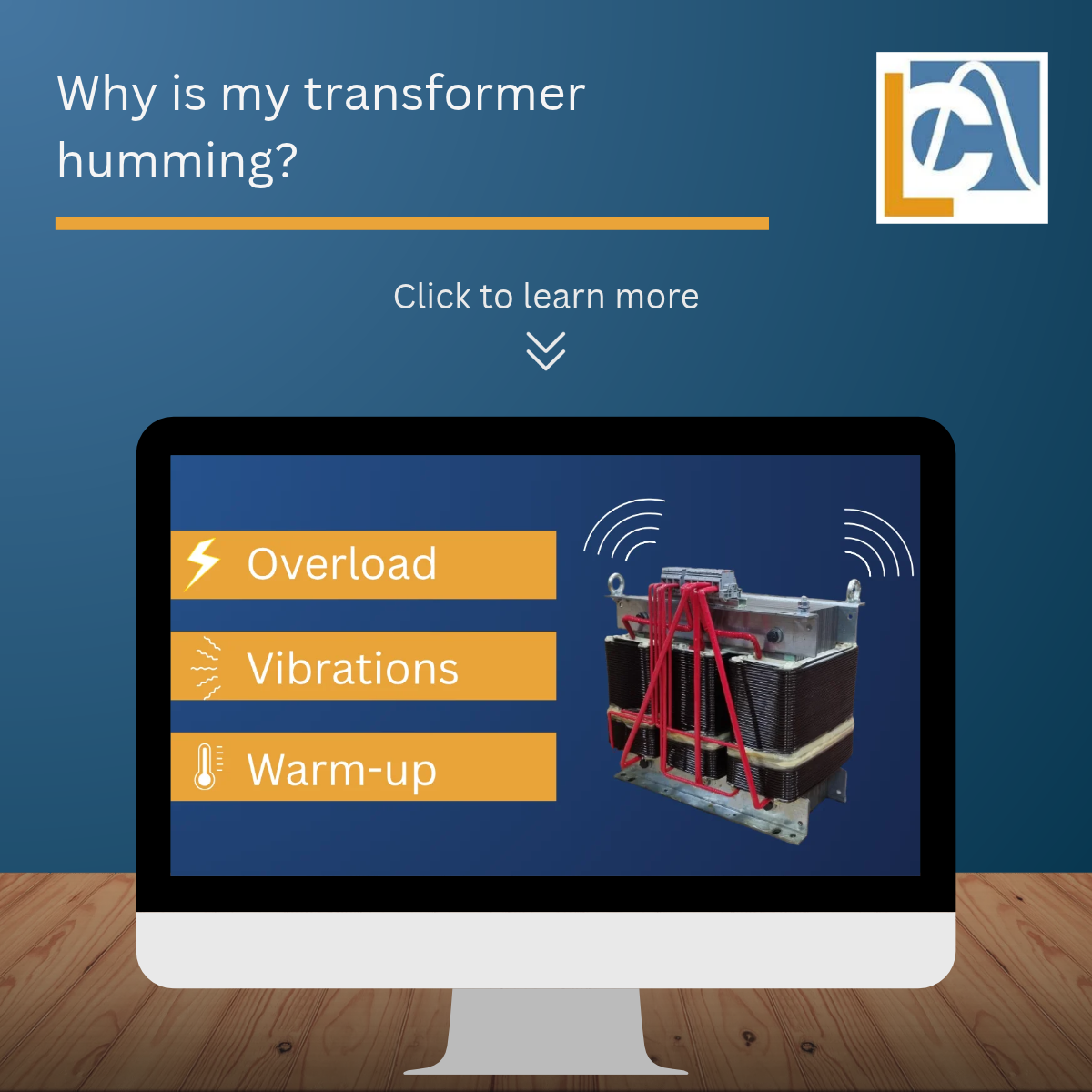
Why is my transformer humming?
A transformer that hums isn't necessarily defective. An electrical transformer naturally produces a slight hum when it's operating. The laminations in the magnetic circuit expand and contract very slightly…
Contact Us
 English
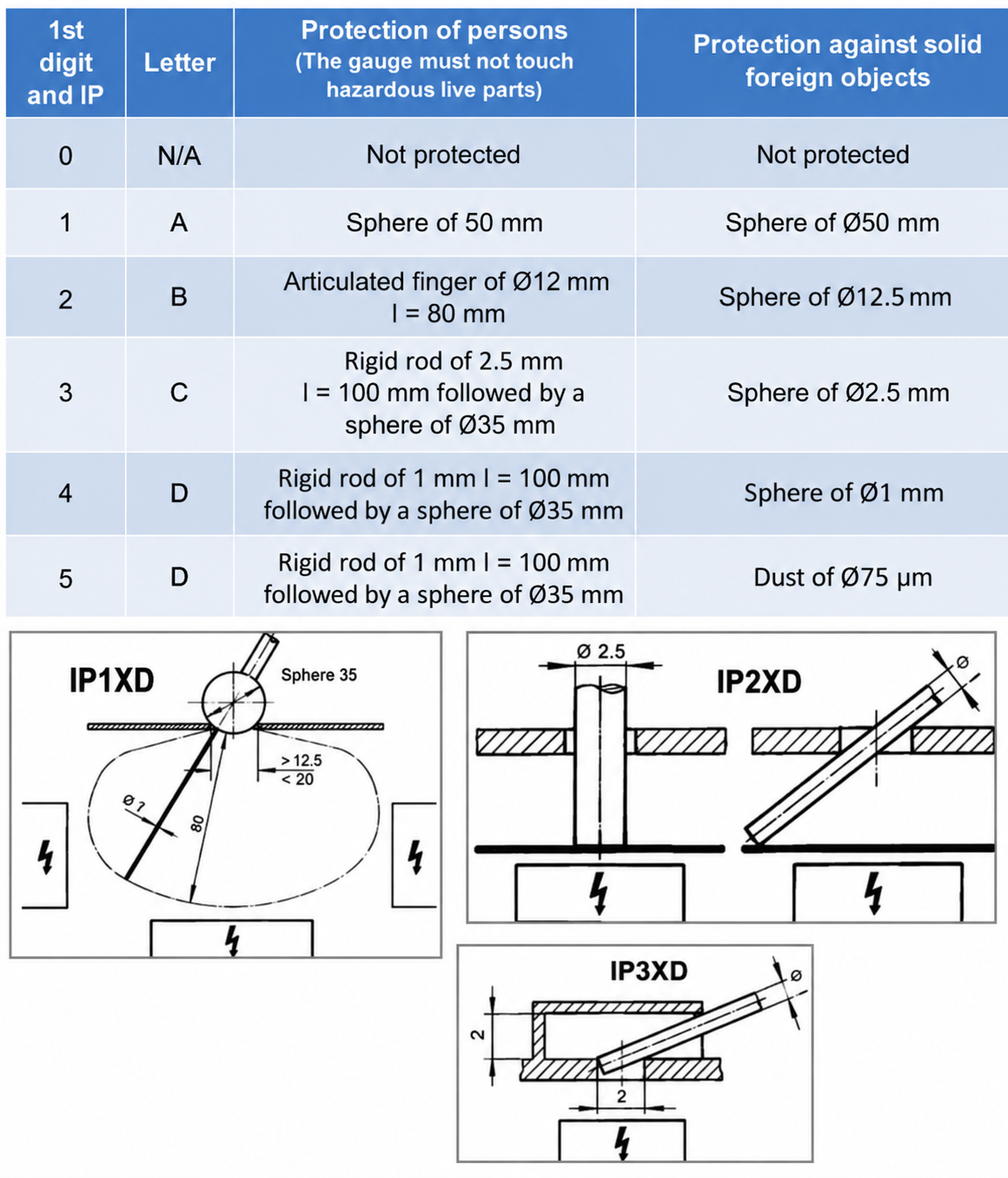
When it comes to electrical transformers, design quality and technical performance are only part of the equation. Long-term safety and reliability also depend – and above all – on their ability to withstand external aggressions. At Le Cosinus, a French manufacturerof transformers for more than 40 years, we know how much the installation environment impacts the lifespan and proper functioning of this essential equipment. That's why we systematically integrate IP protection into the design of our products.
The IP protection class defined by the IEC 60529 standard, indicates the level of protection of an electrical box against the ingress of solid objects (such as dust) and liquids (such as water). It consists of two numbers:
For example
A transformer is a sensitive piece of equipment, often placed in exposed environments (basements, technical rooms, workshops, construction sites, etc.). Without a suitable IP rating, several risks can compromise its operation:
Choosing the right IP rating means preventing these dangers from the design, installation or purchase phase.
Each type of installation has its own constraints. Here are some typical recommendations:
At Le Cosinus, each transformer is designed with its operating environment in mind. It should be noted that for some IP ratings, such as IP54 and IP55, transformers with very low losses and oversized enclosures require sufficient cooling.
The IP rating is not only of interest to engineers or manufacturers. It is an essential reference point for:
At Le Cosinus, we don't just deliver three-phase or single-phase transformers. We deliver reliable, secure and compliant solutions. The IP index is at the heart of our quality approach and our environmental responsibility. Each transformer is built to last, withstand and adapt to your specific constraints.
The IP rating is much more than a code on a data sheet: it is an assurance of safety and performance for any electrical transformer. Anticipating installation conditions, adapting the protective envelope, complying with standards, etc. All of these actions extend the life of your equipment and protect your facilities and the surrounding people.
Do you have a project or a technical question?
Our teams are at your disposal to guide you in choosing the right IP protection for your environment.

A transformer that hums isn't necessarily defective. An electrical transformer naturally produces a slight hum when it's operating. The laminations in the magnetic circuit expand and contract very slightly…
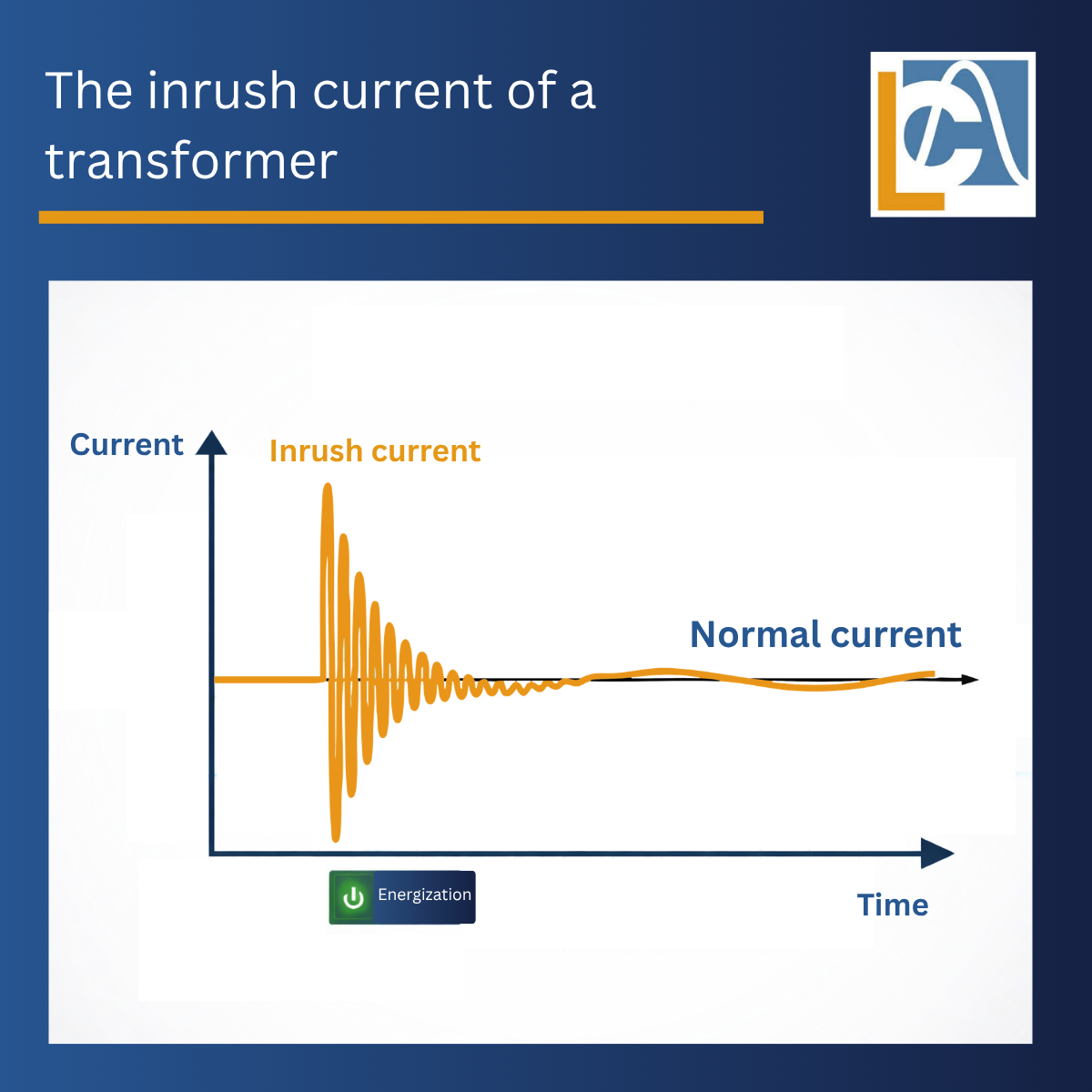
What actually happens when you switch on a transformer. At the precise moment of energising, the transformer can draw a brief but very high current. This peak, perfectly normal, lasts only…
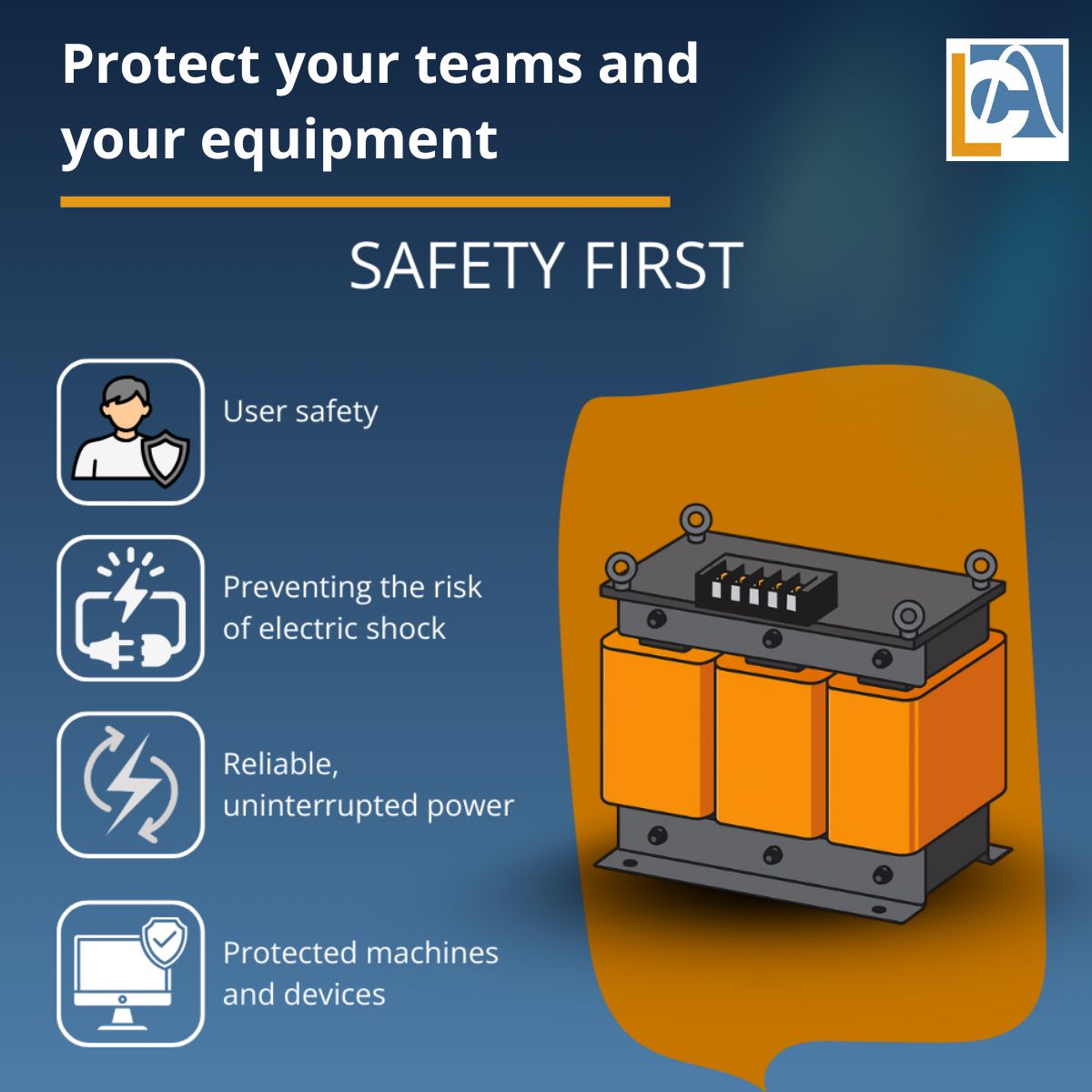
In many industrial, technical, or sensitive environments, the power supply must be reliable, stable, and safe. The isolation transformer meets these requirements precisely. Often unobtrusive within a system, it…
